
Newsletter Subscribe
Enter your email address below and subscribe to our newsletter

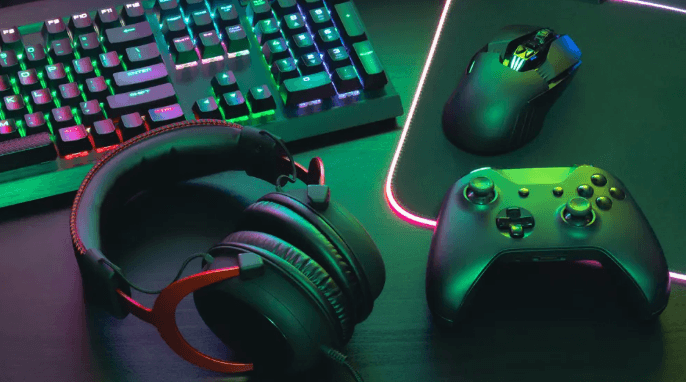
Gaming has become one of the world’s largest and fastest-growing forms of entertainment. It involves playing electronic games on devices such as computers, gaming consoles, smartphones, tablets, and virtual reality headsets. From casual mobile games to competitive esports tournaments, gaming offers entertainment, creativity, social interaction, and opportunities to develop valuable skills.
Today, gaming is enjoyed by people of all ages and backgrounds. It includes a wide variety of genres and experiences, from story-driven adventures and strategy games to sports simulations and educational titles. This guide explains what gaming is, how it works, its types, platforms, benefits, challenges, trends, and tips for responsible gaming.
Gaming is the activity of playing digital or electronic games for entertainment, education, competition, or skill development. Games may be played individually, cooperatively with friends, or competitively against players from around the world.
Modern gaming combines engaging gameplay, immersive graphics, online connectivity, and interactive storytelling to create enjoyable experiences.
Games are created by developers and installed on gaming devices or accessed through online platforms.
Players use devices such as gaming consoles, computers, smartphones, or tablets to run games.
Controllers, keyboards, mice, touchscreens, and other accessories allow players to interact with games.
Many games connect to the internet for multiplayer gameplay, updates, downloadable content, and cloud saving.
Players complete objectives, earn rewards, unlock achievements, and improve their skills as they progress.
These games focus on fast-paced gameplay, quick reflexes, and exciting challenges.
Adventure games emphasize storytelling, exploration, puzzles, and character development.
Players control characters that grow through quests, exploration, and progression systems.
Strategy games require planning, resource management, and tactical decision-making.
Simulation games recreate real-world activities such as driving, farming, city building, or flying.
These games simulate sports such as football, basketball, racing, cricket, and tennis.
Puzzle games challenge players with logic, problem-solving, and pattern recognition.
Educational games combine learning with interactive gameplay for students and lifelong learners.
Gaming PCs offer powerful hardware, customizable settings, and support for a wide variety of games.
Dedicated gaming consoles provide optimized gaming experiences with exclusive titles and online services.
Mobile gaming allows users to play games anytime using portable devices.
Tablets provide larger screens for casual gaming and educational games.
Cloud gaming allows users to stream games over the internet without relying on high-end local hardware.
Modern games offer realistic visuals and detailed environments.
Players can cooperate or compete with others around the world.
Some games allow users on different devices to play together.
Game progress can be stored online and synchronized across supported devices.
Developers may release additional content such as new levels, characters, and missions.
Many games receive updates that improve gameplay, fix issues, and introduce new features.
Gaming provides enjoyable experiences for players of all ages.
Many games encourage logical thinking and strategic decision-making.
Action and simulation games can improve coordination and reaction time.
Creative games allow players to design structures, worlds, and unique experiences.
Online multiplayer games enable players to communicate and collaborate with friends and communities.
Educational games can reinforce knowledge in subjects such as mathematics, science, history, and language learning.
People play games to relax and enjoy their free time.
Teachers and students use educational games to support learning.
Competitive players participate in organized tournaments and professional gaming events.
Gaming technology is used for military, medical, aviation, and industrial training simulations.
Many gamers create videos, tutorials, live streams, and reviews for online audiences.
Some games and virtual environments support teamwork and collaborative activities.
Spending too much time gaming may affect daily routines and overall well-being.
Players should protect personal information and interact responsibly with others online.
Some games offer optional purchases that require responsible spending.
Many modern multiplayer and cloud-based games depend on stable internet connections.
Balance gaming with education, work, exercise, and other daily activities.
Short breaks help reduce eye strain and physical fatigue during long gaming sessions.
Avoid sharing sensitive personal information with unknown players.
Protect gaming accounts with strong passwords and multi-factor authentication when available.
Choose games that match the player’s age and maturity level.
Get enough sleep, stay physically active, and maintain a balanced lifestyle alongside gaming.
Players can choose from countless genres and gameplay styles.
Gaming connects millions of players through online communities and multiplayer experiences.
Developers regularly introduce new technologies, gameplay mechanics, and immersive experiences.
Gaming is available across many devices, making it accessible to a broad audience.
Gaming is the activity of playing digital or electronic games for entertainment, education, competition, or skill development.
Games can be played on personal computers, gaming consoles, smartphones, tablets, and cloud gaming platforms.
No. Gaming is also used for education, professional training, social interaction, content creation, and competitive esports.
Gaming can improve problem-solving, coordination, creativity, teamwork, and strategic thinking while providing entertainment.
Maintain a healthy balance by setting time limits, taking breaks, protecting your online accounts, practicing internet safety, and balancing gaming with other daily activities.
Gaming has evolved into a diverse and influential form of digital entertainment that serves people of all ages and interests. From casual mobile games and immersive adventure titles to competitive esports and educational applications, gaming offers opportunities for learning, creativity, social interaction, and skill development. By choosing appropriate games, practicing responsible gaming habits, and maintaining a healthy balance with everyday life, players can enjoy the many benefits that modern gaming has to offer.

